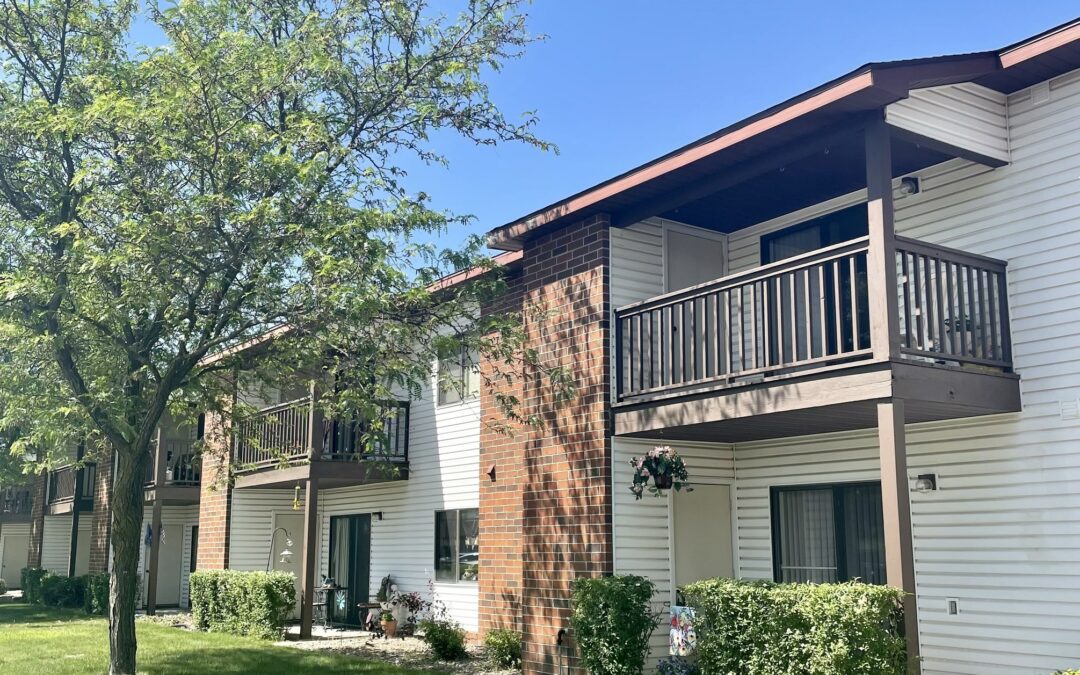
Gateway Vista is thrilled to announce an exciting new partnership with Community Health Partners, a distinguished provider of on-site primary care services. This collaboration is set to significantly enhance the quality of care and overall wellness of our residents.
Gateway Vista Welcomes Community Health Partners for On-Site Primary Care Services
After a thorough evaluation process, we have chosen Community Health Partners due to their extensive experience in the skilled nursing and senior living industry. They currently partner with Skilled Nursing Facilities (SNFs) in Omaha, Lincoln, and our very own Nye Square in Fremont, NE. Additionally, their collaboration with Bryan Health for post-discharge visits at home underscores their commitment to comprehensive, continuous care.
Key Features of Community Health Partners:
Daily On-Site Provider Services: Community Health Partners will ensure that our residents receive daily (Monday-Friday) on-site primary care, allowing for timely and proactive medical attention.
Experienced Healthcare Team: Their team consists of highly skilled nurse practitioners and physician assistants who are adept at providing top-tier, personalized care.
Comprehensive Healthcare Coordination: They facilitate navigation through the healthcare system, including specialist referrals, hospital care coordination, and follow-up care, ensuring our residents receive cohesive and comprehensive care.
“We are excited to welcome Community Health Partners to Gateway Vista. Their commitment to providing high-quality, on-site primary care services aligns perfectly with our mission to offer exceptional care and support to our residents,” shared Mikel Ardley, Executive Director of Gateway Vista.
About Community Health Partners:
Community Health Partners is a respected healthcare provider known for delivering high-quality primary care services across Lincoln, Omaha, Fremont, and surrounding areas. Their mission is to provide comprehensive healthcare solutions that cater to the individual needs of patients within the comfort of their home environment.
About Gateway Vista:
Gateway Vista, located in the heart of Lincoln, NE, is a vibrant senior living community dedicated to offering exceptional services. Our campus integrates independent living, assisted living, skilled nursing care, and rehabilitation services.
Our unique position in the Lincoln area, offering a full continuum of services from independent living to Medicare-certified skilled nursing care on one campus, enables us to deliver the best possible care to those we serve. To learn more about Gateway Vista, visit us online at www.gatewayvista.com.
Nye Health Services | Independent & Assisted Living Communities
Nye Health Services is passionate about providing older adults with a wide range of wellness and health services that maximize health and well-being. If you are searching for a senior living community, explore one of our five locations in eastern Nebraska. Each campus provides award-winning health and wellness services, comfortable apartments and/or suites, and numerous amenities to help you live life to the fullest!
For additional information about Nye Home Health Care visit us at nyehomehealthcare.com.
Contact us to learn more about what sets Nye apart. Schedule a tour of a community near you today! View our locations.
Gateway Vista, a leading senior living community in Lincoln, NE, proudly announces its partnership with the Lighthouse TIP (Trades and Industry) program, aimed at providing hands-on training and education to youth in the community.
Gateway Vista Partners with Lighthouse TIP Program to Empower Youth in Trades and Industry
The Lighthouse TIP program seeks to equip youth, particularly those from low-income families, with the skills and opportunities to pursue fulfilling careers in various industries, including construction, nursing, culinary arts, and more. By offering real-world experience through on-the-job training, internships, and apprenticeships, the program aims to break the cycle of poverty and empower youth to achieve a better standard of living.
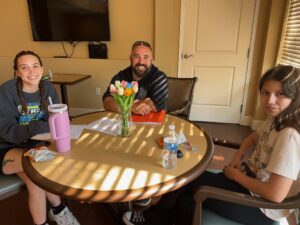
Gateway Vista, known for its comprehensive senior living services, has enthusiastically joined forces with Lighthouse to host a 6-week program on its campus. Through this partnership, professionals at Gateway Vista are providing hands-on exposure to careers in the senior living industry, including assisted living, skilled nursing care, and rehabilitation services.
“We believe this program is a great way to introduce teens to new career paths,” says Mollie Cook, Director of Human Resources at Nye Health Services. “Many students have limited exposure to the depth of career opportunities available in the industry. By working directly with residents and experiencing the importance of quality care firsthand, youth gain a true understanding of the industry and become excited about potential pathways.”
The impact of the program has been immediate and profound. Following their participation in the program at Gateway Vista, several youth expressed eagerness to pursue careers in senior living and applied for open positions on the same day. One participant has already secured a position at Gateway Vista, demonstrating the program’s effectiveness in inspiring and empowering youth.
“At Lighthouse, we believe that ‘you can’t be what you can’t see,'” says Jeremy Trujillo, Director of the Trades/Industries Program at Lighthouse. “Through this program and our partnership with organizations like Gateway Vista, students actively engage in training, envision themselves in future roles, and forge meaningful connections with residents, creating a lasting impact on both students and seniors alike.”
For more information about Gateway Vista and its partnership with the Lighthouse TIP program, please contact Mollie Cook, Director of Human Resources, at 402-753-1400.
Nye Health Services provides a complete continuum of healthcare services for older adults seeking independent and assisted living, state-of-the-art rehabilitation, or traditional skilled care with campuses in Fremont, Lincoln, and Norfolk, Nebraska. To learn more about Nye Health Services, visit us online at www.nyehealthservices.com.
Learn more about our open positions & apply today at: www.nyecareers.com.
Nye Health Services | Independent & Assisted Living Communities
Nye Health Services is passionate about providing older adults with a wide range of wellness and health services that maximize health and well-being. If you are searching for a senior living community, explore one of our five locations in eastern Nebraska. Each campus provides award-winning health and wellness services, comfortable apartments and/or suites, and numerous amenities to help you live life to the fullest!
For additional information about Nye Home Health Care visit us at nyehomehealthcare.com.
Contact us to learn more about what sets Nye apart. Schedule a tour of a community near you today! View our locations.
Nye Legacy, a prominent local provider of senior care services, is proud to announce the launch of its new Hospice Suites. Designed to offer compassionate care in a peaceful and comforting environment, the Hospice Suites at Nye Legacy recognize the importance of providing a place where individuals and their families can find comfort. The newly introduced Hospice Suites combine skilled nursing with compassionate support, ensuring that every person receives personalized care tailored to their unique needs.
Nye Legacy Introduces New Hospice Suites
“At Nye Legacy, we understand the significance of dignity, comfort, and support during life’s most sensitive moments,” said Patrick Fairbanks, Executive Director at Nye Legacy. “Our Hospice Suites embody our commitment to providing exceptional care that extends beyond medical treatment. It’s about creating an environment where residents and their families can find peace and companionship.”
Key features of the Hospice Suites at Nye Legacy in Fremont, NE include:
Skilled Nursing in a Comfortable Environment: Residents receive expert medical care in a warm and inviting setting, promoting comfort and well-being.
Emotional and Spiritual Support: Alongside medical care, residents benefit from emotional and spiritual care.
Adjoining Comfort Suites for Family: Families can stay close to their loved ones in adjoining comfort suites, ensuring continuous support and companionship.
Amenities: The Hospice Suites offer a range of amenities, including WiFi, televisions, common areas, dining facilities, and a dedicated chapel, enhancing the experience for family members.
“At Nye Legacy, we prioritize personal choice and independence,” added Sarah Wiese, Director of Nursing at Nye Legacy. “Residents have the freedom to select from various healthcare providers, empowering them to make decisions aligned with their preferences and values.”
The admission process to Nye Legacy’s Hospice Suites involves a comprehensive assessment of patient needs by experienced nursing staff in collaboration with family members and attending physicians. Patients, family members, or healthcare professionals can initiate referrals and evaluations, ensuring a seamless transition to compassionate care.
Nye Legacy provides traditional skilled care, short-stay rehab, and outpatient therapy services to aging adults in Fremont, NE, and the surrounding communities. For more information on Nye Legacy’s services, call Jessica Lewis, Business Development Coordinator, at 402-721-9300. To learn more about Nye Health Services, visit us online at https://nyehealthservices.com/services/.
Nye Health Services | Independent & Assisted Living Communities
Nye Health Services is passionate about providing older adults with a wide range of wellness and health services that maximize health and well-being. If you are searching for a senior living community, explore one of our five locations in eastern Nebraska. Each campus provides award-winning health and wellness services, comfortable apartments and/or suites, and numerous amenities to help you live life to the fullest!
For additional information about Nye Home Health Care visit us at nyehomehealthcare.com.
Contact us to learn more about what sets Nye apart. Schedule a tour of a community near you today! View our locations.
Nye Health Services proudly welcomes Tina McCarter as the Vice President of Clinical Operations. With an extensive background in healthcare management and a commitment to excellence in patient care, Tina brings a wealth of experience and expertise to our team.
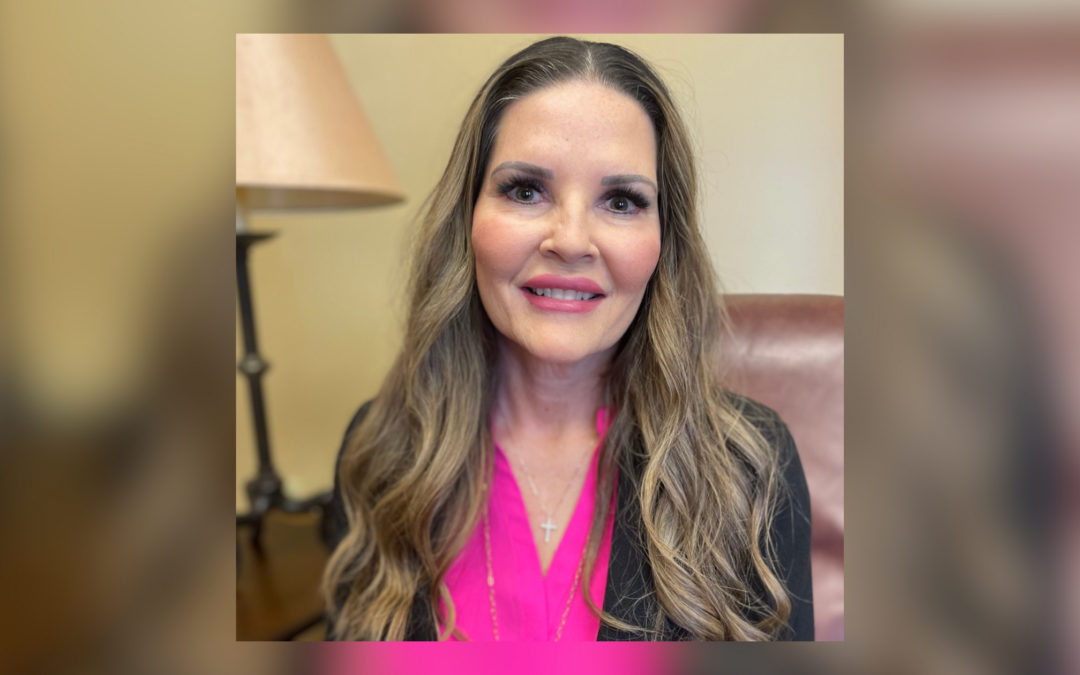
Tina McCarter, Vice President of Clinical Operations
Tina McCarter holds a nursing degree from Northeast Community College and has pursued advanced studies, earning a Master of Science in Nursing (MSN) and a Master of Healthcare Administration (MHA) from the University of Phoenix. Tina is a licensed Nursing Home Administrator and a Certified Dementia Practitioner, reflecting her dedication to specialized care and leadership.
Tina McCarter’s passion for delivering exceptional patient care and her ability to lead high-performing teams align perfectly with Nye Health Services’ mission and values. She expressed her excitement about her new role, stating, “I’m passionate about providing top-notch patient care, improving efficiency, and promoting teamwork. I’m thrilled to join Nye Health Services and use my experience to lead and develop skilled teams, ensuring ongoing professional growth and excellence.”
Kristin Harris, Chief Operating Officer of Nye Health Services, enthusiastically welcomed Tina to the team, highlighting her outstanding leadership qualities and proven track record of success. “Tina brings the perfect blend of passion and expertise to Nye Health Services. Her hands-on leadership style has consistently led to strong team retention and clinical outcome improvements. We’re thrilled to welcome her as our new Vice President of Clinical Operations,” remarked Kristin Harris.
With Tina’s leadership, we look forward to furthering our mission of providing exceptional care and support to our residents.
Nye Health Services | Independent & Assisted Living Communities
Nye Health Services is passionate about providing older adults with a wide range of wellness and health services that maximize health and well-being. If you are searching for a senior living community, explore one of our five locations in eastern Nebraska. Each campus provides award-winning health and wellness services, comfortable apartments and/or suites, and numerous amenities to help you live life to the fullest!
For additional information about Nye Home Health Care visit us at nyehomehealthcare.com.
Contact us to learn more about what sets Nye apart. Schedule a tour of a community near you today! View our locations.
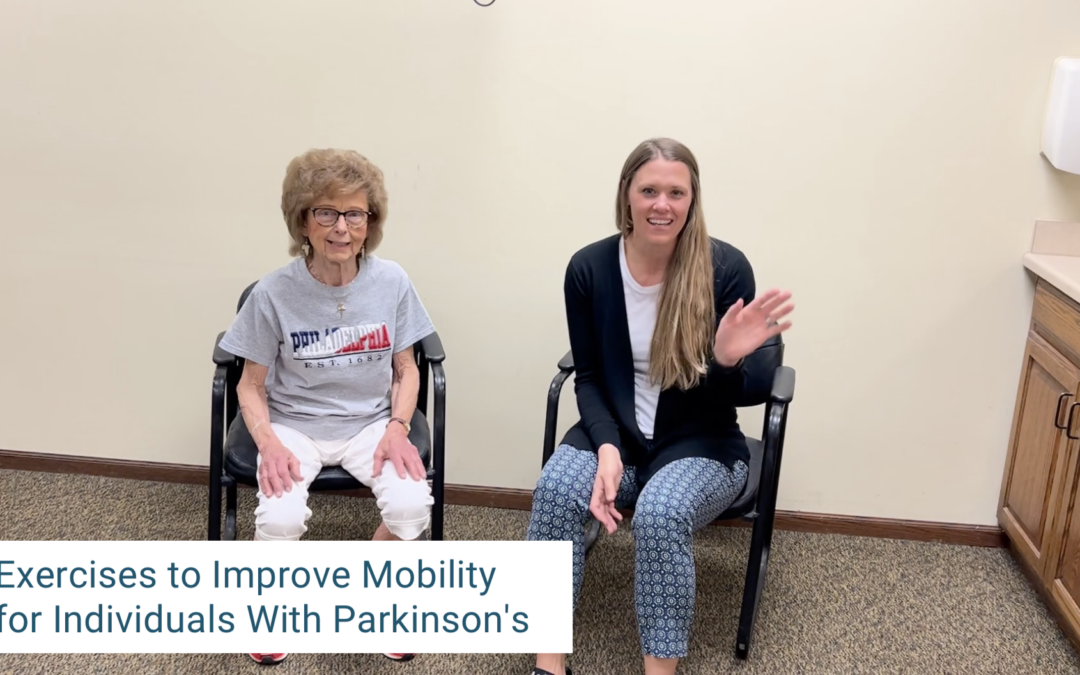
April is Parkinson’s Awareness and Support Month, a dedicated time to shine a light on this neurological condition and offer support to those affected. At Nye Health Services, we are committed to providing resources and assistance to individuals with Parkinson’s or Parkinson’s-like conditions to enhance their quality of life. In this blog post, Lani, a physical therapist at Nye Health Services, along with her volunteer Norma Jean, will share some exercises to improve mobility and strength for individuals with Parkinson’s.
Enhancing Mobility: Exercises for Parkinson’s Awareness Month
One of the cornerstone programs we offer at Nye Health Services is the LSVT Big program. While we can’t demonstrate the copyrighted exercises here, we’re excited to share some similar exercises that can benefit individuals with Parkinson’s or similar conditions.
1. Flicks for Fine Motor Skills
Fine motor deficits are common among individuals with Parkinson’s. To address this, we recommend “flicks” exercises. Hold your hands up and flick them out, exaggerating every movement. These exercises can help warm up your hands before challenging tasks like signing your name or buttoning up.
2. High-Energy Hip Movements
Big movements are essential for maintaining mobility and energy levels. Try hip movements like big stomps to the side and back. Avoid sliding your foot—exaggerate the movement to engage your hips effectively.
3. Functional Sit-to-Stand Exercises
Sit-to-stand exercises are not only functional but also great for strengthening and coordination. Practice sitting and standing with control, avoiding sudden movements. This exercise improves quad and glute strength and enhances balance.
4. Stride Length for Improved Mobility
Improving stride length is crucial for mobility. Take big steps forward and backward, ensuring you clear the ground with each step. Engage your core and maintain balance throughout the movement.
This month, as we recognize Parkinson’s Awareness, let’s empower individuals with Parkinson’s to enhance their mobility and strength through targeted exercises. If you have any questions or need further assistance, please contact our campuses or join our Parkinson’s support group at Nye Square independent and assisted living community located in Fremont, NE. Together, let’s raise awareness and support for those living with Parkinson’s.
Nye Health Services | Award-Winning Senior Living Facilities & Services
Nye Health Services was established in 1989 on the philosophy that older adults deserve services that recognize the individual and are tailored to their unique needs. As a company, we do not aspire to be the largest, instead, we aim to uphold our mission by providing award-winning health services that make our residents feel genuinely cared for and connected while realizing life’s joy.
If you are searching for a senior living community, explore one of our locations in Fremont (Nye Legacy, Nye Square, & Nye Pointe), Norfolk (The Meadows), and Lincoln, Nebraska (Gateway Vista). Each campus provides award-winning health and wellness services, comfortable apartments and/or suites, with numerous amenities to help you live life to the fullest!
As the golden years approach, many seniors find themselves at a crossroads, contemplating the next chapter of their lives. For those looking for senior living in Norfolk, NE, the answer lies within the welcoming doors of The Meadows. Here, seniors discover a vibrant community full of opportunities for independent living tailored to their unique needs and desires. Let’s explore the benefits that await residents at The Meadows, where independence isn’t just encouraged—it’s celebrated.
Embracing Independence: The Benefits of Senior Living in Norfolk, NE
1. Community Connection
At The Meadows, residents are more than just neighbors—they’re family. Our community buzzes with the warmth of camaraderie and the joy of shared experiences. From morning coffee chats to lively game nights, every moment is an opportunity to forge lasting friendships and create cherished memories. Whether you’re socializing in our cozy lounges or strolling through our beautiful grounds, you’ll find a sense of belonging that makes every day special.
2. Maintenance-Free Living
Gone are the days of worrying about household chores and home repairs. At The Meadows, we believe that seniors should spend their time doing what they love, not tending to tedious tasks. Our dedicated team takes care of everything from housekeeping to landscaping, allowing residents to reclaim their time and focus on the activities that bring them joy.
3. Convenient Amenities
Life at The Meadows is anything but ordinary. Our assisted living and independent living community has amenities designed to enhance every aspect of daily living. Stay active and fit in our state-of-the-art wellness center, enjoy delicious meals prepared by our talented culinary team, or unwind with a good book in our inviting common areas. With a wealth of options at your fingertips, you’ll always have ways to stay engaged, inspired, and fulfilled.
4. Personalized Care Tailored to Your Needs
While independence is the cornerstone of life at The Meadows, residents also have access to personalized care and support as needed. Our compassionate staff is available around the clock to lend a helping hand with activities of daily living, medication management, and healthcare coordination. Whether you require a little extra assistance or specialized care services, you can rest easy knowing that we’re here to support your unique needs every step of the way.
5. Enhanced Safety and Security
The safety and security of our residents are our top priorities at The Meadows. Our community is equipped with state-of-the-art security features and emergency response systems to ensure the well-being of all who call our community home. Additionally, our staff undergoes rigorous training to handle any situation that may arise, providing residents and their families with peace of mind and reassurance.
6. Socialization and Companionship
Loneliness and isolation have no place at The Meadows. Our community fosters a warm and inclusive environment where residents can connect with one another, share laughter and stories, and form meaningful friendships. Whether you’re enjoying a delicious meal in our dining room, participating in a group class, or simply relaxing with friends in our inviting common areas, you’ll always find companionship and camaraderie at The Meadows.
7. Peace of Mind for Families
Choosing independent living at The Meadows not only benefits seniors but also provides peace of mind for their families. Knowing that their loved ones are living in a safe, supportive environment with access to personalized care and assistance with activities of daily living can alleviate the stress and worry often associated with aging parents or relatives. Families can rest easy knowing that their loved ones are well cared for and thriving in our vibrant community.
8. Embracing Life to the Fullest
At The Meadows Senior Living, we believe that every day is a gift to be treasured and embraced. With a focus on promoting independence, dignity, and quality of life, we empower our residents to live life on their own terms and pursue their passions. Whether it’s exploring new hobbies, embarking on exciting adventures, or simply savoring the simple joys of each day, life at The Meadows is a celebration of all that makes life beautiful.
Independent living at The Meadows Senior Living in Norfolk, Nebraska, offers seniors a wealth of benefits, including a vibrant community atmosphere, freedom from maintenance worries, enriching amenities, personalized care tailored to individual needs, enhanced safety and security, socialization and companionship, and peace of mind for families. Discover the joys of independent living at The Meadows and embrace a life filled with possibility, purpose, and fulfillment.
Contact us to schedule a tour at The Meadows senior living community in Norfolk, NE.
Nye Health Services | Award-Winning Senior Living Facilities & Services
Nye Health Services was established in 1989 on the philosophy that older adults deserve services that recognize the individual and are tailored to their unique needs. As a company, we do not aspire to be the largest, instead, we aim to uphold our mission by providing award-winning health services that make our residents feel genuinely cared for and connected while realizing life’s joy.
If you are searching for a senior living community, explore one of our locations in Fremont (Nye Legacy, Nye Square, & Nye Pointe), Norfolk (The Meadows), and Lincoln, Nebraska (Gateway Vista). Each campus provides award-winning health and wellness services, comfortable apartments and/or suites, with numerous amenities to help you live life to the fullest!

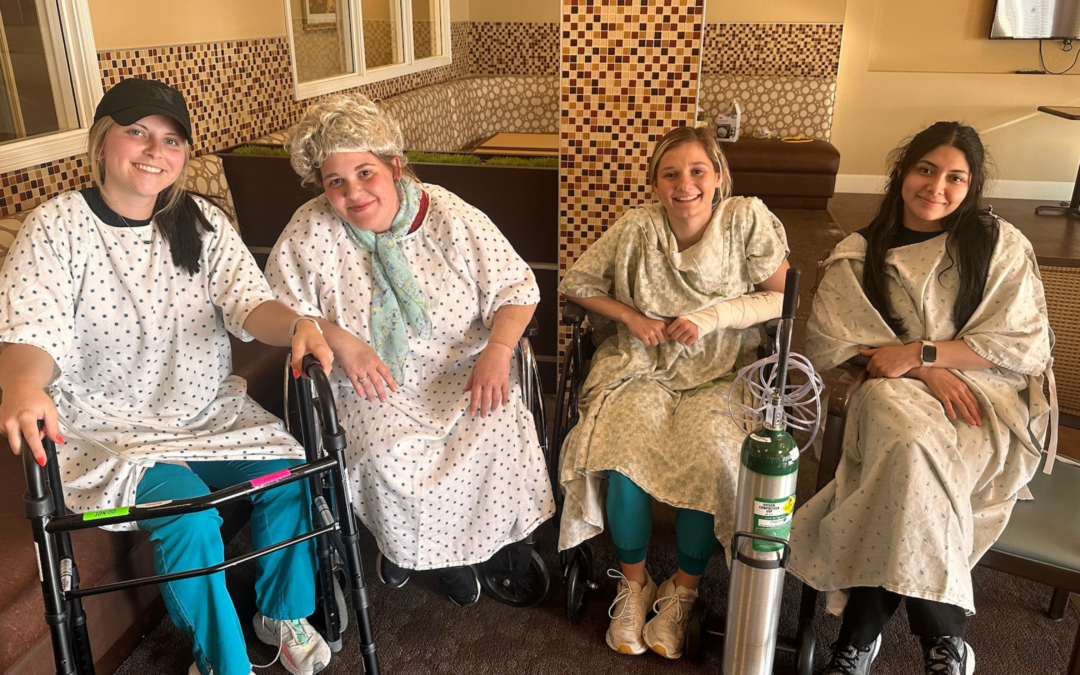
 Gateway Vista, known for its comprehensive senior living services, has enthusiastically joined forces with Lighthouse to host a 6-week program on its campus. Through this partnership, professionals at Gateway Vista are providing hands-on exposure to careers in the senior living industry, including assisted living, skilled nursing care, and rehabilitation services.