Nye Legacy is proud to announce it has received a certificate of achievement for participating in the American Heart Association’s Mission: Lifeline Stroke post-acute care initiative. This prestigious recognition underscores Nye Legacy’s commitment to enhancing guideline-based care for stroke patients, ultimately improving and prolonging lives.
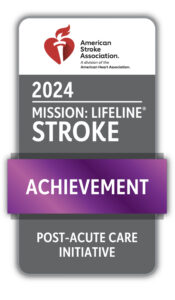
A badge from the American Stroke Association recognizing a 2024 Mission: Lifeline Stroke Achievement in post-acute care initiative.
Stroke remains a leading cause of serious long-term disability in the United States, with approximately 795,000 people experiencing a new or recurrent stroke each year, according to the American Heart Association’s 2023 statistical update. The American Heart Association’s post-acute care initiative aims to support faster and more effective recovery from stroke by promoting standardized coordination and adherence to evidence-based care practices.
Certificate of achievement recipients, like Nye Legacy, have demonstrated a strong commitment to improving stroke patient outcomes by establishing stroke-specific rehabilitation programs, providing comprehensive stroke education to all staff members, implementing evidence-based protocols and policies, and engaging in continuous quality improvement initiatives.
Evidence-based rehabilitation and secondary prevention interventions play a critical role in improving recovery after a stroke and reducing the risk of secondary complications. However, the expertise, processes of care, and educational resources related to stroke rehabilitation can vary widely among post-acute care facilities. To address these disparities, the American Heart Association developed quality standards based on its 2016 Guidelines for Adult Stroke Rehabilitation and Recovery.
The post-acute care initiative provides a structured framework that helps facilities like Nye Legacy enhance care in alignment with the American Heart Association’s rigorous science-based standards for stroke rehabilitation. This includes program management, patient and caregiver education and support, care coordination, clinical management, and ongoing quality improvement.
Participating facilities receive a participation stipend and site-specific support to enhance quality improvement processes and implement best practices in stroke recovery, rehabilitation, and secondary prevention. They also join a learning collaborative, where they work with experts in stroke rehabilitation to develop tools, share insights, and create best practices, fostering collaboration between post-acute care facilities and other stakeholders in stroke care, including hospitals and outpatient providers.
“Nye Legacy is committed to improving patient care by adhering to the latest guidelines,” said Patrick Fairbanks, Executive Director of Nye Legacy. “The post-acute care initiative enables our teams to apply proven knowledge and guidelines every day, helping our patients recover more effectively. Our goal is to ensure that more people in Fremont can enjoy longer, healthier lives.”
Mission: Lifeline Stroke
The Mission: Lifeline Stroke initiative, a product of the American Heart Association’s visionary thinking, is more than just a program; it’s a cohesive strategy to bring together various stakeholders in stroke care. By uniting hospitals, emergency medical services, rehabilitation facilities, regulatory agencies, and more, the initiative creates a proactive ecosystem that saves lives and drives improved outcomes.
Nye Health Services | Award-Winning Senior Living Facilities & Services
Nye Health Services was established in 1989 on the philosophy that older adults deserve services that recognize the individual and are tailored to their unique needs. As a company, we do not aspire to be the largest, instead, we aim to uphold our mission by providing award-winning health services that make our residents feel genuinely cared for and connected while realizing life’s joy.
If you are searching for a senior living community, explore one of our three locations in Fremont (Nye Legacy, Nye Square, & Nye Pointe), Norfolk (The Meadows), andLincoln, Nebraska (Gateway Vista). Each campus provides award-winning health and wellness services, comfortable apartments and/or suites, with numerous amenities to help you live life to the fullest!
Moving to an independent living community can be an exciting new chapter in life. It’s a time filled with opportunities for social engagement, a maintenance-free lifestyle, and access to various amenities. However, the process of moving to a senior living community can also feel overwhelming. At Nye Square, we understand the mix of emotions and challenges that come with this transition. That’s why we’ve put together this guide to help make your move to independent living at Nye Square as smooth and stress-free as possible.
How to Make the Move to Independent Living at Nye Square Smooth and Stress-Free
1. Plan Ahead
Planning is the key to a successful move. Start by creating a timeline that includes important dates and tasks.
Downsizing: Decide what to keep, donate, or sell. The downsizing process is crucial as it helps reduce the amount of items you’ll need to move.
Meet With a Realtor: Ensure all necessary documents are in order, including your lease agreement and any other important paperwork.
Hiring Movers: Research and book a reputable moving company well in advance.
2. Visit the Community
Spend some time at Nye Square before your move. Familiarize yourself with the layout, amenities, and daily social activities. This will help you feel more comfortable and excited about your new home.
Common Areas: Explore the dining hall, wellness center, and social areas.
Events Calendar: Check out the scheduled activities and plan to participate in those that interest you.
Meet Neighbors: Start building connections with fellow residents and team members.
Adjusting to a new living situation takes time. Be patient with yourself as you settle in.
Set Realistic Expectations: Understand that it might take a few weeks or even months to fully adjust.
Seek Support: Don’t hesitate to reach out to team members or fellow residents if you need assistance or companionship.
At Nye Square, we are committed to making your transition to independent living as seamless and enjoyable as possible. Our community offers a supportive environment where you can thrive and make the most of this new chapter.
Right now we are offering a Summer Special! Move in before August 1st and receive an exclusive special of your choice. Watch this video to learn more about our specials.
For more information or assistance with your move, please contact us today. We look forward to welcoming you to our vibrant independent living community in Fremont, NE!
Nye Square | Independent Living Community in Fremont, NE
Nye Health Services was established in 1989 on the philosophy that older adults deserve services that recognize the individual and are tailored to their unique needs. As a company, we do not aspire to be the largest, instead, we aim to uphold our mission by providing award-winning health services that make our residents feel genuinely cared for and connected while realizing life’s joy.
If you are searching for an independent living community near you, explore one of our three locations in Fremont (Nye Square), Norfolk (The Meadows), and Lincoln, Nebraska (Gateway Vista). Each campus provides award-winning health and wellness services, comfortable apartments and/or suites, with numerous amenities to help you live life to the fullest!
Caring for a loved one is a rewarding but often demanding responsibility. Whether you are looking after an aging parent, a spouse with a chronic illness, or a child with special needs, the physical and emotional toll can be significant. This is where respite care comes in—a service designed to give primary caregivers a much-needed break while ensuring their loved ones continue to receive the care they need.
What Is Respite Care? Benefits for Caregivers and Loved Ones
Understanding Respite Care
Respite care provides temporary relief for caregivers by offering professional care for their loved ones in a safe and supportive environment. This care can be arranged for a few hours, a day, or even several weeks, depending on the needs of the family. The goal of respite services is to support the health and well-being of caregivers and ensure that their loved ones are well taken care of in their absence.
Types of Respite Care
In-Home Respite Care: Professional caregivers come to the home to provide care, allowing the family member to remain in familiar surroundings while the primary caregiver takes a break.
Day Respite Care: Offered at specialized centers, day respite care provides a safe place for loved ones to stay during the day, participate in activities, and receive necessary care.
Residential Respite Care: This respite care option is ideal for longer breaks, such as when the primary caregiver needs to travel or attend to other obligations.
Benefits of Respite Care
Rest and Renewal for Caregivers: Respite services allow family caregivers to recharge, reducing stress and preventing burnout.
Improved Family Dynamics: By alleviating the pressure on primary caregivers, respite care can improve relationships within the family.
Enhanced Quality of Care: Loved ones benefit from the professional, compassionate care provided by respite services.
Opportunities for Social Engagement: Respite care often includes social and recreational activities, providing mental and emotional stimulation for those being cared for.
Respite Care at Nye Health Services
When you need a place for short-term assistance or rehabilitation, our respite services can meet your needs. Whether this is post-surgery or just a temporary break for a primary caregiver or family member, our top-notch healthcare team can ease your worries and assist in your recovery. At Nye Health Services we offer:
Security of 24-Hour Staffing
Our professional team ensures around-the-clock safety and support. This constant supervision provides peace of mind, knowing that help is always available.
Delicious Meal and Dining Services
Nutritious meals are prepared to meet dietary needs and preferences. Our dining services ensure that your loved ones enjoy balanced and tasty meals that cater to their health requirements.
Medication Administration and Management
Accurate and timely management of medications is crucial for maintaining health and well-being. Our trained staff ensures that all medications are administered correctly and on schedule, reducing the risk of missed doses or errors.
Communication with Your Doctor
We coordinate with healthcare providers to maintain continuity of care. This communication ensures that all medical needs are addressed, and any changes in health status are promptly reported to the primary care physician.
Assistance with Bathing and Dressing
Personalized support with daily activities such as bathing and dressing helps maintain personal hygiene and dignity. Our compassionate team members provide this assistance with respect and care.
Engaging Social and Recreational Opportunities
Activities designed to keep minds and bodies active are an essential part of our respite services. These opportunities provide mental and emotional stimulation, helping to prevent isolation and boredom.
Transportation to Doctor Visits
Convenient transport for medical appointments ensures that your loved ones can attend necessary healthcare visits without any hassle. Our transportation services are reliable and comfortable, making it easy to keep up with doctor’s appointments.
On-Site Physical Therapy Services
Access to physical therapy aids in recovery and rehabilitation. Our on-site services are designed to help individuals regain strength, improve mobility, and enhance their overall physical health.
At Nye Health Services, we understand the challenges of caregiving and are here to support both caregivers and their loved ones. Our respite care services are designed to provide peace of mind and high-quality care, allowing you to take the time you need to rest and recharge.
For more information on our respite care services in Fremont, Norfolk, and Lincoln, NE, contact us today. Let us help you take the break you deserve while ensuring your loved ones are in good hands.
Nye Health Services | Independent & Assisted Living Communities
Nye Health Services is passionate about providing older adults with a wide range of wellness and health services that maximize health and well-being. If you are searching for a senior living community, explore one of our five locations in eastern Nebraska. Each campus provides award-winning health and wellness services, comfortable apartments and/or suites, and numerous amenities to help you live life to the fullest!
For additional information about Nye Home Health Care visit us at nyehomehealthcare.com.
Contact us to learn more about what sets Nye apart. Schedule a tour of a community near you today! View our locations.
Gateway Vista, a leading senior living community in Lincoln, NE, proudly announces its partnership with the Lighthouse TIP (Trades and Industry) program, aimed at providing hands-on training and education to youth in the community.
Gateway Vista Partners with Lighthouse TIP Program to Empower Youth in Trades and Industry
The Lighthouse TIP program seeks to equip youth, particularly those from low-income families, with the skills and opportunities to pursue fulfilling careers in various industries, including construction, nursing, culinary arts, and more. By offering real-world experience through on-the-job training, internships, and apprenticeships, the program aims to break the cycle of poverty and empower youth to achieve a better standard of living.
Gateway Vista, known for its comprehensive senior living services, has enthusiastically joined forces with Lighthouse to host a 6-week program on its campus. Through this partnership, professionals at Gateway Vista are providing hands-on exposure to careers in the senior living industry, including assisted living, skilled nursing care, and rehabilitation services.
“We believe this program is a great way to introduce teens to new career paths,” says Mollie Cook, Director of Human Resources at Nye Health Services. “Many students have limited exposure to the depth of career opportunities available in the industry. By working directly with residents and experiencing the importance of quality care firsthand, youth gain a true understanding of the industry and become excited about potential pathways.”
The impact of the program has been immediate and profound. Following their participation in the program at Gateway Vista, several youth expressed eagerness to pursue careers in senior living and applied for open positions on the same day. One participant has already secured a position at Gateway Vista, demonstrating the program’s effectiveness in inspiring and empowering youth.
“At Lighthouse, we believe that ‘you can’t be what you can’t see,'” says Jeremy Trujillo, Director of the Trades/Industries Program at Lighthouse. “Through this program and our partnership with organizations like Gateway Vista, students actively engage in training, envision themselves in future roles, and forge meaningful connections with residents, creating a lasting impact on both students and seniors alike.”
For more information about Gateway Vista and its partnership with the Lighthouse TIP program, please contact Mollie Cook, Director of Human Resources, at 402-753-1400.
Nye Health Services provides a complete continuum of healthcare services for older adults seeking independent and assisted living, state-of-the-art rehabilitation, or traditional skilled care with campuses in Fremont, Lincoln, and Norfolk, Nebraska. To learn more about Nye Health Services, visit us online at www.nyehealthservices.com.
Learn more about our open positions & apply today at: www.nyecareers.com.
Nye Health Services | Independent & Assisted Living Communities
Nye Health Services is passionate about providing older adults with a wide range of wellness and health services that maximize health and well-being. If you are searching for a senior living community, explore one of our five locations in eastern Nebraska. Each campus provides award-winning health and wellness services, comfortable apartments and/or suites, and numerous amenities to help you live life to the fullest!
For additional information about Nye Home Health Care visit us at nyehomehealthcare.com.
Contact us to learn more about what sets Nye apart. Schedule a tour of a community near you today! View our locations.
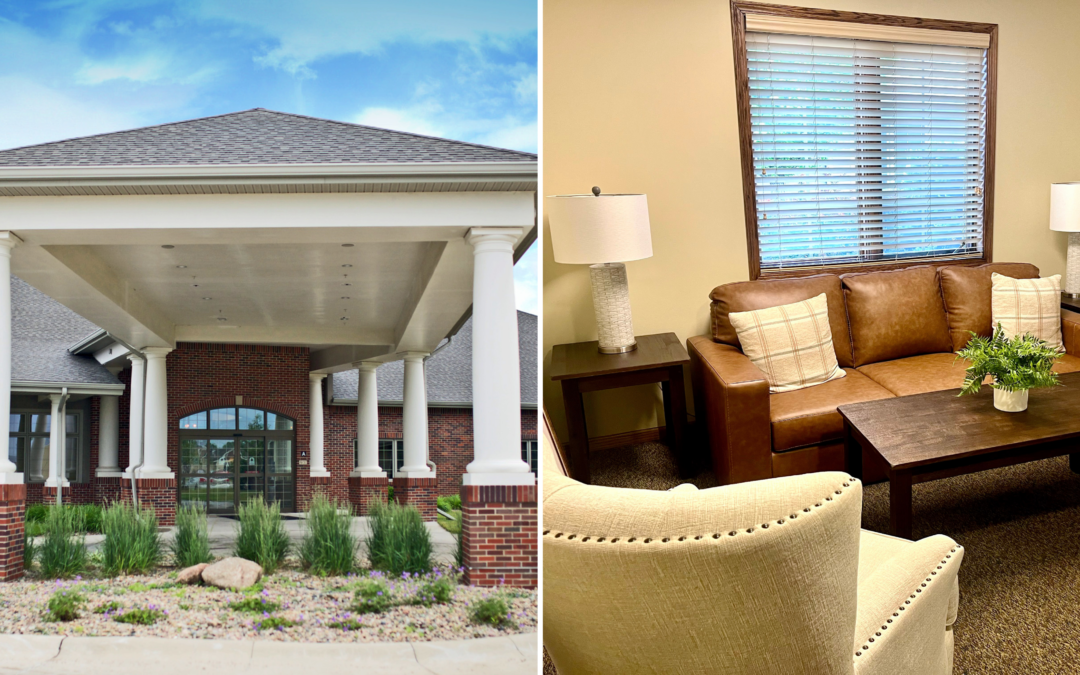
Nye Legacy, a prominent local provider of senior care services, is proud to announce the launch of its new Hospice Suites. Designed to offer compassionate care in a peaceful and comforting environment, the Hospice Suites at Nye Legacy recognize the importance of providing a place where individuals and their families can find comfort. The newly introduced Hospice Suites combine skilled nursing with compassionate support, ensuring that every person receives personalized care tailored to their unique needs.
Nye Legacy Introduces New Hospice Suites
“At Nye Legacy, we understand the significance of dignity, comfort, and support during life’s most sensitive moments,” said Patrick Fairbanks, Executive Director at Nye Legacy. “Our Hospice Suites embody our commitment to providing exceptional care that extends beyond medical treatment. It’s about creating an environment where residents and their families can find peace and companionship.”
Key features of the Hospice Suites at Nye Legacy in Fremont, NE include:
Skilled Nursing in a Comfortable Environment: Residents receive expert medical care in a warm and inviting setting, promoting comfort and well-being.
Emotional and Spiritual Support: Alongside medical care, residents benefit from emotional and spiritual care.
Adjoining Comfort Suites for Family: Families can stay close to their loved ones in adjoining comfort suites, ensuring continuous support and companionship.
Amenities: The Hospice Suites offer a range of amenities, including WiFi, televisions, common areas, dining facilities, and a dedicated chapel, enhancing the experience for family members.
“At Nye Legacy, we prioritize personal choice and independence,” added Sarah Wiese, Director of Nursing at Nye Legacy. “Residents have the freedom to select from various healthcare providers, empowering them to make decisions aligned with their preferences and values.”
The admission process to Nye Legacy’s Hospice Suites involves a comprehensive assessment of patient needs by experienced nursing staff in collaboration with family members and attending physicians. Patients, family members, or healthcare professionals can initiate referrals and evaluations, ensuring a seamless transition to compassionate care.
Nye Legacy provides traditional skilled care, short-stay rehab, and outpatient therapy services to aging adults in Fremont, NE, and the surrounding communities. For more information on Nye Legacy’s services, call Jessica Lewis, Business Development Coordinator, at 402-721-9300. To learn more about Nye Health Services, visit us online at https://nyehealthservices.com/services/.
Nye Health Services | Independent & Assisted Living Communities
Nye Health Services is passionate about providing older adults with a wide range of wellness and health services that maximize health and well-being. If you are searching for a senior living community, explore one of our five locations in eastern Nebraska. Each campus provides award-winning health and wellness services, comfortable apartments and/or suites, and numerous amenities to help you live life to the fullest!
For additional information about Nye Home Health Care visit us at nyehomehealthcare.com.
Contact us to learn more about what sets Nye apart. Schedule a tour of a community near you today! View our locations.
As Mother’s Day approaches, many of us are on the hunt for the perfect gift to show our appreciation for the remarkable women in our lives. When it comes to honoring the seniors in our families, choosing a great gift requires consideration of their unique needs and preferences. At Nye Health Services, we understand the importance of thoughtful gestures that enhance their comfort, joy, and well-being. That’s why we’ve curated a list of the best gifts for seniors on Mother’s Day 2024.
Thoughtful Mother’s Day Gifts for Seniors 2024
1. Photo Album or Digital Photo Frame
Capture precious memories and create a beautiful keepsake with a photo album or digital photo frame filled with family photos. Seniors will cherish the opportunity to reminisce and feel connected to loved ones.
Bring the beauty of nature to your loved one’s window with a bird feeder. Watching birds visit and feed can be a delightful and calming experience, providing entertainment and a connection to the outdoors.
Wrap your loved one in warmth and comfort with a soft, cozy blanket. Pick materials like fleece or plush that provide gentle insulation without being too heavy.
Treat your senior loved one to a pair of non-slip slippers with cushioned soles for comfort and safety. Look for styles with adjustable closures for a customized fit.
Show your appreciation with a personalized piece of jewelry, such as a necklace or bracelet featuring birthstones or engraved initials. This heartfelt gift serves as a constant reminder of your love and thoughtfulness.
Opening jars can become increasingly difficult with age due to decreased hand strength. A set of jar grippers can be a practical and thoughtful Mother’s Day gift idea, allowing seniors to open jars with ease and independence.
Provide soothing relief for achy muscles and joints with microwavable heating pads designed to keep bowls of food warm. Seniors can enjoy their meals at their own pace without worrying about them getting cold.
Simplify TV viewing for seniors with a larger remote control featuring big buttons and easy-to-read labels. This thoughtful gift enhances their entertainment experience and reduces frustration.
At Nye Health Services, we believe that the best gifts for seniors are those that promote comfort, independence, and joy. This Mother’s Day, celebrate the special women in your life with thoughtful gestures that demonstrate your love and appreciation. Whether it’s a practical tool to simplify daily tasks or a sentimental keepsake to treasure for years to come, the right gift can make a world of difference in brightening their day and strengthening your bond.
*While this article isn’t sponsored, it contains affiliate links that help support our efforts to provide valuable resources to seniors and their families. We always prioritize honest opinions and recommend products that benefit seniors in their quest for a safe and independent life.
Nye Health Services | Award-Winning Senior Living Facilities & Services
Nye Health Services was established in 1989 on the philosophy that older adults deserve services that recognize the individual and are tailored to their unique needs. As a company, we do not aspire to be the largest, instead, we aim to uphold our mission by providing award-winning health services that make our residents feel genuinely cared for and connected while realizing life’s joy.
If you are searching for a senior living community, explore one of our locations in Fremont (Nye Legacy, Nye Square, & Nye Pointe), Norfolk (The Meadows), and Lincoln, Nebraska (Gateway Vista). Each campus provides award-winning health and wellness services, comfortable apartments and/or suites, with numerous amenities to help you live life to the fullest!



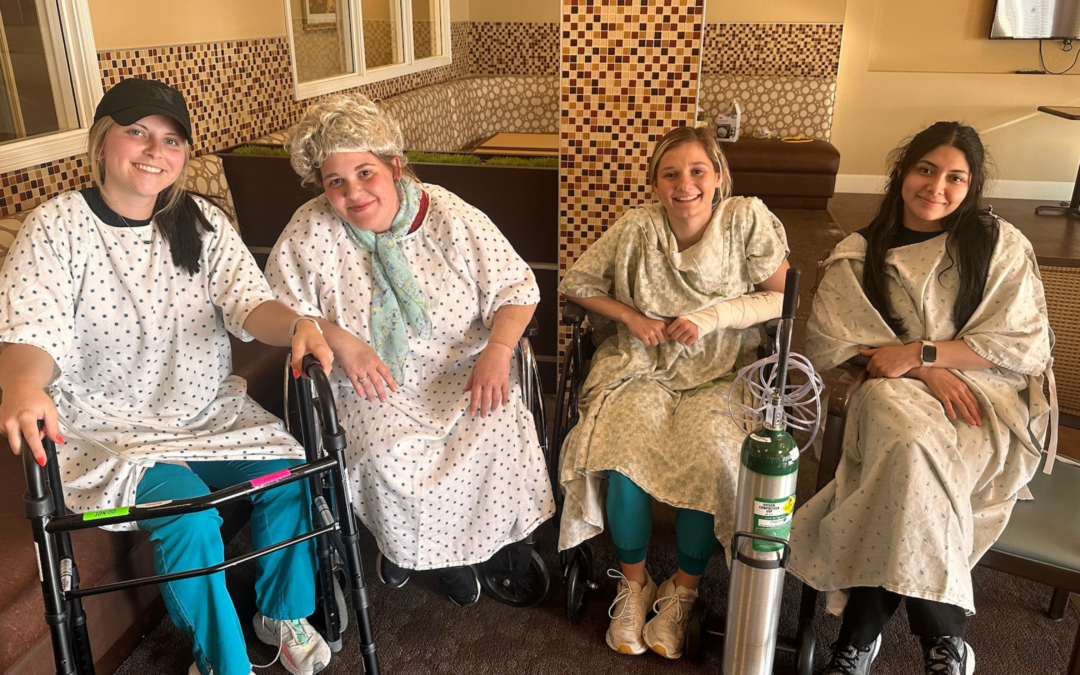
 Gateway Vista, known for its comprehensive senior living services, has enthusiastically joined forces with Lighthouse to host a 6-week program on its campus. Through this partnership, professionals at Gateway Vista are providing hands-on exposure to careers in the senior living industry, including assisted living, skilled nursing care, and rehabilitation services.