Mar 11, 2024
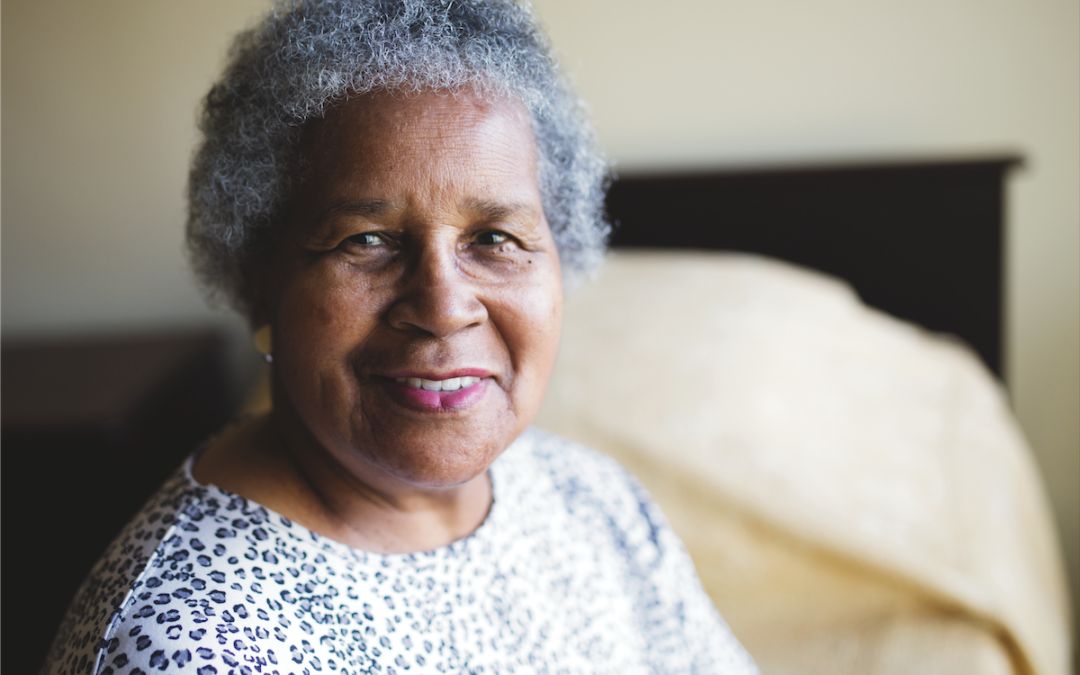
Choosing an assisted living facility in Lincoln, NE for yourself or a loved one can be daunting, especially considering the multitude of options available. One crucial factor to consider in this decision-making process is the continuum of care provided by the facility. In Lincoln, NE, where seniors and their families seek quality care and support, understanding the significance of the continuum of care is paramount.
4 Reasons Continuum of Care is Important When Choosing an Assisted Living Facility in Lincoln, NE
What is a Continuum of Care?
Continuum of care refers to a comprehensive range of health and wellness services designed to meet the evolving needs of individuals as they age. It encompasses various levels of assistance, from independent living to skilled nursing care, ensuring residents can seamlessly transition between different care settings as their requirements change over time.
The Benefits of Continuum of Care Facility
1. Personalized Care and Attention
A facility that prioritizes a continuum of care acknowledges that each resident is unique, with distinct needs and preferences. By offering a continuum of services, including assistance with activities of daily living (ADLs), medication management, and specialized medical care, residents receive personalized attention that caters to their individual requirements, promoting dignity and autonomy.
2. Strategic Long-Term Planning
Aging is a dynamic process, often accompanied by unforeseen changes in health and mobility. Assisted living communities with a robust continuum of care enable residents and their families to plan for the long term confidently. Knowing that the facility can accommodate evolving care needs of assisted living residents alleviates the stress associated with potential transitions to different levels of care, fostering a sense of security and stability.
3. Peace of Mind for Residents and Families
A Continuum of Care Facility offers a sense of assurance to residents and their families, alleviating concerns about future care needs. The seamless availability of varying levels of assistance at Gateway Vista Assisted Living in Lincoln, NE ensures that residents can age in place comfortably without the need for disruptive relocations or adjustments. This peace of mind contributes significantly to residents and their families’ overall quality of life, well-being, and contentment.
4. Facilitating Aging in Place
Aging in place is a cherished goal for many seniors, allowing them to remain in a familiar environment surrounded by cherished memories and a supportive community. Continuum of care facilitates this aspiration by providing a spectrum of services that can adapt to residents’ changing needs over time, enabling them to maintain their independence and sense of belonging.
Choosing the Right Assisted Living Facility in Lincoln, NE
When evaluating assisted living facilities in Lincoln, NE, it’s essential to inquire about their continuum of care offerings. Look for facilities that provide a comprehensive range of services, including independent living, assisted living, and skilled nursing care. Additionally, consider the facility’s track record, staff qualifications, amenities, and overall atmosphere to ensure it aligns with your expectations and values.
In the quest for the ideal assisted living community in Lincoln, NE, prioritizing a continuum of care facility is key. By selecting a facility that offers a comprehensive range of services tailored to individual needs, residents and their families can enjoy peace of mind, personalized care, and the flexibility to age in place gracefully. Investing time and effort into researching and selecting the right facility can make all the difference in ensuring a fulfilling and comfortable living experience for seniors in their golden years.
Contact us to schedule a tour at Gateway Vista assisted living community in Lincoln, NE, or take a virtual tour.
Nye Health Services | Award-Winning Senior Living Facilities & Services
Nye Health Services was established in 1989 on the philosophy that older adults deserve services that recognize the individual and are tailored to their unique needs. As a company, we do not aspire to be the largest, instead, we aim to uphold our mission by providing award-winning health services that make our residents feel genuinely cared for and connected while realizing life’s joy.
If you are searching for a senior living community, explore one of our locations in Fremont (Nye Legacy, Nye Square, & Nye Pointe), Norfolk (The Meadows), and Lincoln, Nebraska (Gateway Vista). Each campus provides award-winning health and wellness services, comfortable apartments and/or suites, with numerous amenities to help you live life to the fullest!
Feb 26, 2024
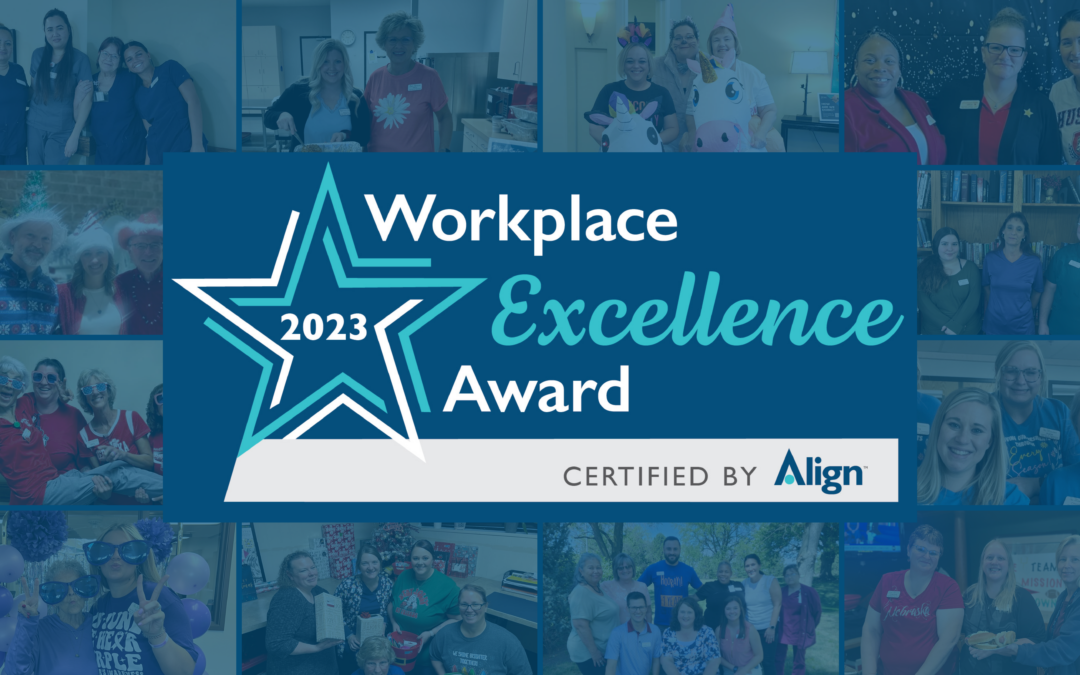
Nye Health Services, along with its locations and services – Gateway Vista, Nye Home Health Care, Nye Legacy, Nye Square, and The Meadows – has been honored with Align’s prestigious Workplace Excellence Award for 2023. This recognition is a testament to their dedication to their team members.
Workplace Excellence Award Recognizes Nye Health Service’s Commitment to its Team Members
The award was presented to select Align customers who completed an employee engagement survey in 2023, had a minimum 25 percent response rate, and had a minimum of 80 percent of survey participants respond either Excellent or Good to the statement Rate us as a place to work.
“Earning a high level of favorable responses to Rate us as a place to work is an indication of Nye Health Service’s commitment to creating a work environment where employees feel an emotional connection to their work,” said Neil Gulsvig, CEO, Align.
Align, a leading applied research and quality-improvement solutions provider, takes pride in supporting leaders in the senior care profession. Through their tools and expertise, they empower organizations like Nye Health Services to measure staff engagement effectively and implement meaningful improvements, fostering a more engaged and fulfilled workforce.
To discover more about the exceptional recipients of Align’s 2023 Workplace Excellence Award, visit their website.
Nye Health Services | Award-Winning Assisted Living Facilities
Nye Health Services provides a complete continuum of healthcare services for older adults seeking independent and assisted living, state-of-the-art rehabilitation, or traditional skilled care with campuses in Fremont, Lincoln, and Norfolk, Nebraska (Locations). For more information about our employment opportunities, contact Mollie Cook, Director of Human Resources, at 402-753-1400. To learn more about Nye Health Services, visit us online at www.nyehealthservices.com.
Nov 27, 2023
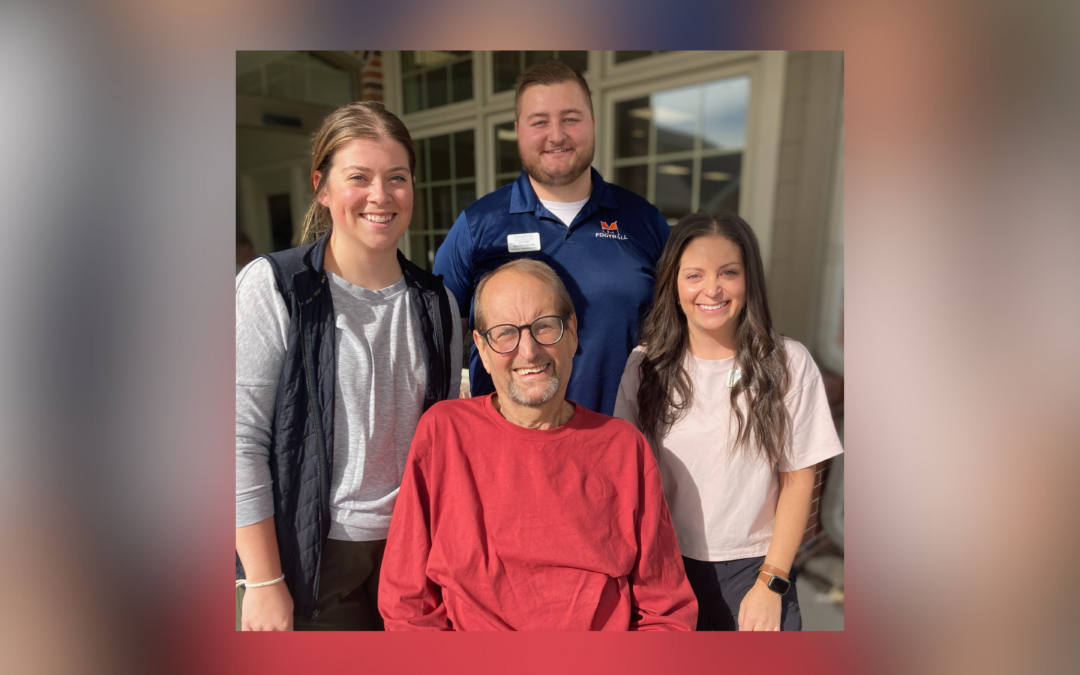
In the realm of healthcare, finding a provider that not only meets but exceeds your expectations can make all the difference, especially during challenging times. At Nye Health Services, the commitment to celebrating life through exceptional service and personalized care is evident in the heartfelt journey of Craig and Karen Spracklin. Their story, beginning in July 2022 when Craig was diagnosed with possible liver failure, unfolds as a testament to the comprehensive care services provided by Nye Health Services.
A Journey of Healing and Hope: Nye Health Services’ Comprehensive Care
Nye Home Health Care played a pivotal role in supporting Craig’s journey, particularly after his referral to the Nebraska Med Center for a liver transplant in September. Karen Spracklin shared, “The therapists and nurses at Nye Home Health Care were instrumental in preparing Craig for the liver evaluation. Their support during this critical time was invaluable.”
This started Craig’s long and complicated road to recovery, involving a 10-day hospital stay due to an accidental fall. Karen explained, “He was able to be discharged from the Medical Center in August 2023. We picked Nye Home Health Care to help him recover. We had the same therapist and nurses; some were new faces. All were helpful in Craig’s continued recovery.”
In October, Craig transitioned to Nye Legacy for inpatient care, where the Spracklins found comfort in the kind and helpful staff. Karen noted, “We have been impressed with the staff here at Nye Legacy. All are very kind and helpful. We are incredibly impressed with our therapists. Their patience and knowledge have been invaluable.”
Nye Legacy’s facilities further impressed the Spracklins, with Karen mentioning, “Nye Legacy is also an impressive facility. It is spotless and has lots of common areas available for family use.” The pristine environment and ample communal spaces provided a supportive backdrop for Craig’s recovery.
Expressing their gratitude, Craig and Karen Spracklin shared, “We hope to continue Craig’s outpatient rehab here at Nye and recommend Nye Home Health Care and Nye Legacy to anyone.” Their intention to pursue outpatient rehabilitation at Nye Legacy reflects the positive impact these services have had on their lives.
The Spracklins’ journey is a poignant testament to the power of compassionate and comprehensive healthcare. Nye Health Services’ unwavering commitment to exceptional service and personalized care has played a crucial role in transforming their story into one of resilience and hope. As Nye Health Services continues to celebrate life through its continuum of healthcare services, it stands as a beacon for those navigating the complexities of health challenges.
Nye Health Services | Award-Winning Senior Living Facilities & Services
Nye Health Services was established in 1989 on the philosophy that older adults deserve services that recognize the individual and are tailored to their unique needs. As a company, we do not aspire to be the largest, instead, we aim to uphold our mission by providing award-winning health services that make our residents feel genuinely cared for and connected while realizing life’s joy.
If you are searching for a senior living community, explore one of our locations in Fremont (Nye Legacy, Nye Square, & Nye Pointe), Norfolk (The Meadows), and Lincoln, Nebraska (Gateway Vista). Each campus provides award-winning health and wellness services, comfortable apartments and/or suites, with numerous amenities to help you live life to the fullest!

Nov 17, 2023
The holiday season is a time for joy, love, and togetherness, but it can also be a challenging time for families dealing with the difficult decision of moving aging parents into independent or assisted living communities. Discussing assisted living or independent living with aging parents can be emotionally charged, and it’s essential to approach the conversation with sensitivity and compassion. Here are seven positive tips to help you navigate this delicate discussion during the holiday season.
Tips for Talking to Elderly Parents About Assisted Living or Independent Living During the Holiday Season
1. Start with Empathy
Discussing moving to assisted living or independent living with aging parents is often a sensitive matter. Begin by expressing your concern out of love and a genuine desire for your parent’s well-being. Share specific instances or observations that highlight the challenges they might be facing at home. This sets the stage for a more compassionate and understanding discussion.
2. Acknowledge Their Concerns
Listen actively to your parent’s concerns, fears, and reservations. Allow them to express their emotions and thoughts about the idea of moving. Validating their feelings fosters trust and opens up the space for a collaborative decision-making process.
3. Highlight the Benefits
Assisted living or independent living campuses offer numerous advantages, such as access to healthcare services, social activities, and a supportive community. Emphasize the positive aspects of the move to an assisted living or independent living community in your area, focusing on how it can enhance their quality of life, safety, and overall well-being.
4. Involve Them in the Decision-Making Process
Empower your parent by involving them in the decision-making process. Discuss options together, allowing them to express their preferences and concerns. This collaborative approach ensures they feel in control and valued throughout the transition.
5. Tour the Facilities Together
To ease the transition, consider touring independent or assisted living facilities together. This allows your parent to visualize their potential new home, meet staff members, and get a sense of the community. Familiarity can alleviate anxiety and make the idea of moving more tangible.
6. Provide Reassurance
Reassure your parent that your intention is to ensure their safety, well-being, and happiness. Highlight the support they will receive in their new living environment and the opportunities for social engagement and recreational activities.
7. Address Financial Concerns
Discuss the financial aspects openly and transparently. Assure your parent that you have thoroughly researched and planned for their financial well-being in the new living arrangement. This transparency can alleviate anxiety and build trust.
Approaching the topic of moving aging parents into independent or assisted living is undoubtedly challenging, but with these positive tips, you can foster understanding, empathy, and a shared commitment to their well-being. Let the spirit of love and togetherness guide your family through this important conversation this holiday season.
Nye Health Services | Award-Winning Senior Living Facilities & Services
Nye Health Services was established in 1989 on the philosophy that older adults deserve services that recognize the individual and are tailored to their unique needs. As a company, we do not aspire to be the largest, instead, we aim to uphold our mission by providing award-winning health services that make our residents feel genuinely cared for and connected while realizing life’s joy.
If you are searching for a senior living community, explore one of our independent and assisted living communities in Fremont (Nye Legacy, Nye Square, & Nye Pointe), Norfolk (The Meadows), and Lincoln, Nebraska (Gateway Vista). Each campus provides award-winning health and wellness services, comfortable apartments and/or suites, with numerous amenities to help you live life to the fullest!

Nov 8, 2023
As the holiday season approaches, finding the perfect gift for your senior loved ones is a wonderful way to show appreciation and create memorable moments. At Nye Health Services, we understand that selecting the right gift isn’t always easy, which is why we’ve compiled a list of our favorite holiday gifts for seniors in 2023. From practical and comforting items to thoughtful, memory-filled gifts, there’s something for everyone.
10 Best Gifts for Seniors 2023
Amazon Echo or Google Home
Voice-controlled smart speakers like Amazon Echo or Google Home can be incredibly helpful for seniors. They provide quick access to information and entertainment and can even serve as a personal assistant, making daily tasks easier. The gift of convenience and technology in one.
Digital Photo Frame
A digital picture frame allows seniors to enjoy a rotating display of cherished memories. Simply upload photos of family and friends, and they can relive those special moments throughout the day. A heartwarming gift that brings the family closer, even from a distance.
Facebook Portal
The Facebook Portal is a video-calling device that makes it easy for seniors to connect with loved ones, especially if they’re far away. It offers high-quality video chats, making virtual gatherings feel more like being together in person. Facebook Portal is a great way for family members to stay connected and share special moments.
E-Readers: Amazon Kindle Devices
An Amazon Kindle e-reader is a perfect gift for seniors who enjoy reading. These devices allow seniors to carry an entire library with them, making it convenient to enjoy their favorite books. This thoughtful gift idea offers an endless supply of literary joy.
Walker Basket
A walker basket is a practical and thoughtful addition to a senior’s mobility aid. It provides them with a convenient place to store essential items, making it easier to keep personal belongings at hand. A gift that adds functionality and style to their daily life.
Non-Slip Slippers
Safety is essential, and non-slip slippers can help prevent slips and falls, especially on smooth surfaces. This excellent gift provides security and peace of mind. Give the gift of comfort and security.
Jigsaw Puzzles
Jigsaw puzzles are a great way to keep the mind active and engaged. They provide hours of entertainment and a sense of accomplishment when completed. A gift that keeps the brain active and entertained.
Large-Print Playing Cards
Seniors who enjoy card games will appreciate large-print playing cards. These make it easier to see and enjoy a friendly game of cards with friends and family. This is a great gift for senior citizens as it enhances their social time.
A Cozy Throw Blanket
A soft and warm throw blanket can provide comfort and warmth during the colder months, making it a delightful gift to snuggle up with. Give your favorite senior the gift of warmth and relaxation.
Single-Serve Coffee Maker
For coffee enthusiasts, a single-serve coffee maker is a practical and enjoyable gift. They can brew a fresh cup of coffee whenever they like, and it’s easy to use. The gift of daily indulgence.
The Best Holiday Gift Ideas For Seniors
Choosing the perfect gift for your senior loved ones is an opportunity to show your appreciation and make their holidays brighter. Whether it’s a tech-savvy gift like Amazon Echo or Google Home, a memory-filled digital photo frame, or practical items like compression socks and non-slip socks, there’s a wide range of options to consider. The key is to select a gift that aligns with their preferences and needs, making their holiday season special and memorable.
*While this article isn’t sponsored, it contains affiliate links that help support our efforts to provide valuable resources to seniors and their families. We always prioritize honest opinions and recommend products that benefit seniors in their quest for a safe and independent life.
Nye Health Services | Award-Winning Senior Living Facilities & Services
Nye Health Services was established in 1989 on the philosophy that older adults deserve services that recognize the individual and are tailored to their unique needs. As a company, we do not aspire to be the largest, instead, we aim to uphold our mission by providing award-winning health services that make our residents feel genuinely cared for and connected while realizing life’s joy.
If you are searching for a senior living community, explore one of our locations in Fremont (Nye Legacy, Nye Square, & Nye Pointe), Norfolk (The Meadows), and Lincoln, Nebraska (Gateway Vista). Each campus provides award-winning health and wellness services, comfortable apartments and/or suites, with numerous amenities to help you live life to the fullest!
Oct 26, 2023
As we or our loved ones age, the decision about senior care becomes increasingly important. Various senior care options are available, and choosing the right type of senior care facility can be challenging. Each type of facility offers distinct advantages and caters to different needs and preferences. In this blog post, we’ll explore the different kinds of senior care facilities to help you decide what level of care is right for you or your loved one.
Which Type of Senior Care Facility is Right for You?
Independent Living Communities
Independent living communities are ideal for seniors who are still active and don’t require significant assistance with daily tasks. These communities provide a maintenance-free lifestyle, allowing residents to enjoy their retirement years without the burden of home upkeep. Independent living facilities often offer a variety of amenities, including fitness centers, social activities, and opportunities for social interaction.
Who should consider independent living?
Independent living is perfect for seniors who want to maintain independence and socialize with peers in a vibrant community.
Learn more about Nye Health Services independent living communities.
Assisted Living Communities
Assisted living facilities are designed for individuals who need assistance with some activities of daily living, such as bathing, dressing, or medication management. Residents in assisted living facilities receive personalized care plans that cater to their specific needs, promoting a sense of independence while ensuring safety and well-being.
Who should consider assisted living?
Assisted living is suitable for seniors who need help with daily tasks but still desire a degree of independence.
Learn more about Nye Health Services assisted living communities.
Memory Care Facilities
Memory care facilities are specialized communities designed to support individuals with Alzheimer’s disease or other forms of dementia. These facilities provide a safe and secure environment, with staff trained to address the unique needs of residents living with memory-related conditions.
Who should consider memory care?
Memory care facilities are the right choice for seniors with dementia who require specialized care and a secure environment.
Learn more about Nye Health Services’ memory care facilities.
Skilled Care Facilities
Skilled care facilities, or nursing homes, are the best choice for seniors who need round-the-clock medical care and assistance. These facilities have licensed healthcare professionals on staff and provide a wide range of services, from rehabilitation to long-term care.
Who should consider nursing homes?
Seniors with complex medical needs or those who require full-time care should consider skilled nursing facilities.
Learn more about Nye Health Services’ traditional skilled care services.
Hospice Care
Hospice care is a compassionate approach to end-of-life care. It focuses on providing comfort and support to individuals with terminal illnesses. Hospice services can be delivered in a specialized facility or at home, depending on the individual’s needs and wishes.
Who should consider hospice care?
Hospice care is intended for seniors with terminal illnesses and a focus on enhancing their quality of life during their final days.
Making the Right Decision
Choosing the right type of senior care facility is a crucial decision that should consider the individual’s physical and emotional needs. It’s important to involve the senior in the decision-making process whenever possible to ensure their preferences are respected. Additionally, it can be helpful to consult with healthcare professionals and family members to make an informed choice.
At Nye Health Services, we understand the importance of making the right choice when it comes to elderly care. Our experienced staff is here to guide you through the process and help you find the best fit for you or your loved one. Whether it’s independent living, assisted living, memory care, or skilled nursing, our goal is to provide the highest quality care in a warm and supportive environment.
Remember, the key is to find a facility that not only meets the physical needs but also enhances the overall quality of life for the individual. The right choice can make a significant difference in ensuring a happy and fulfilling retirement.
If you have any questions or need assistance in making this important decision, please don’t hesitate to contact us at Nye Health Services. We’re here to help you navigate this journey and provide the care and support you or your loved one deserves.
Nye Health Services | Award-Winning Senior Living Facilities & Services
Nye Health Services was established in 1989 on the philosophy that older adults deserve services that recognize the individual and are tailored to their unique needs. As a company, we do not aspire to be the largest, instead, we aim to uphold our mission by providing award-winning health services that make our residents feel genuinely cared for and connected while realizing life’s joy.
If you are searching for a senior living community near you, explore one of our three locations in Fremont (Nye Legacy, Nye Square, & Nye Pointe), Norfolk (The Meadows), and Lincoln, Nebraska (Gateway Vista). Each campus provides award-winning health and wellness services, comfortable apartments and/or suites, with numerous amenities to help you live life to the fullest!