
Simple Ways for Seniors to Prevent Injuries and Maintain Independence
As we age, staying healthy and independent becomes more important than ever. Whether you’re enjoying time with family, working in the garden, or simply moving around your home, preventing injuries can help you continue doing the things you love. November is Injury Prevention Month, a great time to take a closer look at everyday habits and simple changes that can help reduce your risk of injury.
For older adults, falls are one of the most common causes of injury. According to the Centers for Disease Control and Prevention (CDC), more than one in four adults age 65 and older reports falling each year. While falls become more common with age, they are not an inevitable part of getting older. The good news? There are steps you can take to protect yourself, improve your balance, and maintain your independence.
I
Make Your Home A Safer Place
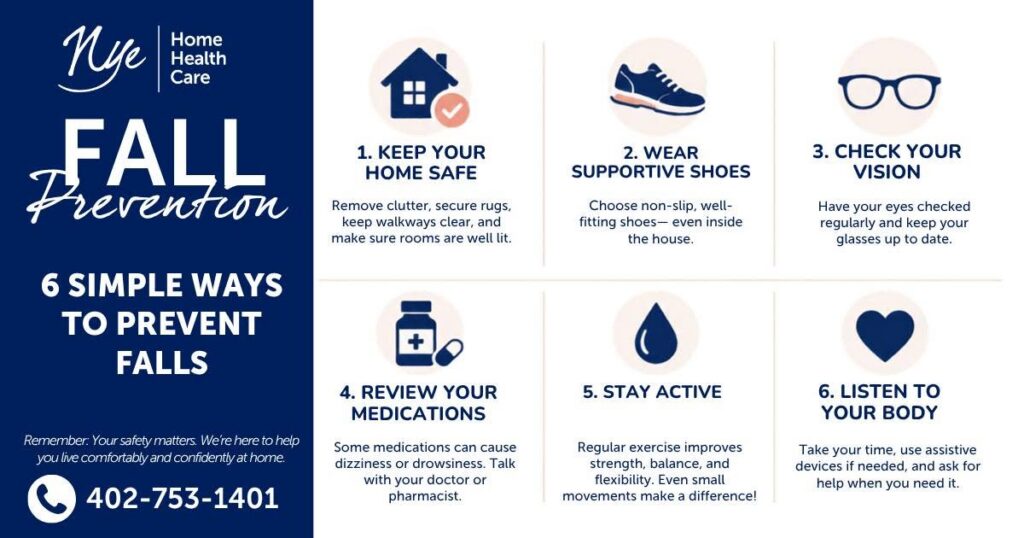
Your home should feel comfortable and safe. However, everyday household items can sometimes create unexpected hazards. A few small changes can make a big difference:
- Keep walkways clear. Remove clutter, electrical cords, and loose rugs that could cause you to trip.
- Improve lighting. Make sure hallways, stairways, and bathrooms are well-lit, especially at night.
- Install grab bars. Consider adding grab bars near toilets and inside showers or bathtubs.
- Choose supportive footwear. Wear shoes with nonslip soles and a secure fit, even when you’re indoors.
- Keep everyday items within reach. Avoid climbing on stools or reaching for items stored too high.
Consider walking through your home with a family member or caregiver to identify areas that could use extra attention. For additional guidance, explore the National Institute on Aging’s fall prevention resource.
Keep Moving to Build Strength and Balance
Staying physically active is one of the best ways to support your overall health and reduce your risk of injury. Regular movement can help improve muscle strength, flexibility, coordination, and balance, all of which play an important role in preventing falls. Consider incorporating activities such as walking, gentle stretching, chair exercises, tai chi, or balance exercises into your routine. You don’t need an intense workout to experience the benefits. Even a few minutes of movement throughout the day can help you build strength and improve mobility. If you’ve recently experienced an injury, surgery, or change in mobility, talk with your healthcare provider before starting a new exercise routine.
Outpatient Therapy and Wellness Programs: Available at all Nye Health Services campuses, outpatient therapy provides personalized treatment to help improve strength, balance, mobility, and physical function. Seniors can also take advantage of wellness programs that provide access to designated gym spaces at Nye to help them stay active, maintain strength, and work toward personal wellness goals.
How Nye Home Health Can Help: For eligible patients, Nye Home Health Care provides physical and occupational therapy in the comfort of home. Physical therapists can help individuals improve strength, balance, and mobility, while occupational therapists can recommend ways to make everyday activities safer and easier.
Pay Attention to Your Medications
Did you know that certain medications can increase your risk of falling? Some prescription and over-the-counter medications may cause dizziness, drowsiness, or changes in blood pressure that can affect your balance. To help reduce these risks:
- Keep an updated list of your medications.
- Take medications exactly as prescribed.
- Ask your healthcare provider or pharmacist about potential side effects.
- Report dizziness, unusual fatigue, or balance changes.
- Have your medications reviewed regularly, especially when a new medication is added.
Never stop or change a prescribed medication without consulting your healthcare provider. Nye Home Health Care‘s skilled nursing team can assist eligible patients with medication education and management, helping them better understand their medications and recognize potential concerns.
Don’t Overlook Your Vision and Hearing
Your eyes and ears play an important role in helping you navigate your surroundings. Vision changes can make it harder to recognize obstacles, judge distances, or notice uneven surfaces. Hearing and inner-ear problems may also affect your balance. Schedule regular vision and hearing evaluations, keep eyeglass prescriptions current, and let your healthcare provider know if you experience dizziness or changes in your balance. Taking care of your senses is another way to help protect your independence.
Listen to Your Body and Know When to Ask for Help
It’s easy to dismiss occasional weakness, dizziness, or unsteadiness as a normal part of aging. However, these changes may be signs that your body needs additional support.
Pay attention if you notice:
- Difficulty getting up from a chair or climbing stairs.
- Feeling unsteady while walking.
- Frequent dizziness or lightheadedness.
- A recent fall or near-fall.
- Increasing difficulty completing everyday activities.
- Don’t wait until an injury occurs to discuss these concerns with your healthcare provider.
Early intervention can help identify potential risks and connect you with services that support your health and independence.
Take Extra Precautions During the Colder Months
November also brings changing weather, shorter days, and the beginning of icy conditions in many communities. As temperatures drop, it’s important to take additional precautions when heading outdoors. Wear shoes with good traction, use handrails when available, and take your time on wet or uneven surfaces. Keep outdoor walkways well-lit and arrange for snow and ice removal when necessary. If conditions are slippery, consider postponing nonessential trips until sidewalks and driveways are clear. A little preparation can help you stay active while reducing unnecessary risks.
Stay Safe, Stay Active, and Maintain Your Independence
Preventing injuries doesn’t have to mean limiting the activities you enjoy. By making small adjustments to your daily routine, creating a safer home environment, staying physically active, and recognizing when you need additional support, you can take meaningful steps toward protecting your health and independence.
At Nye Health Services, we’re committed to helping older adults live confidently and comfortably at every stage of life. Through outpatient therapy, wellness programs, and personalized home health services, our team offers resources to help you maintain your strength, improve mobility, and safely navigate everyday life.
This Injury Prevention Month, make your health and safety a priority. Taking proactive steps today can help you continue doing the things you love for years to come.
Interested in receiving skilled nursing or therapy services in the comfort of your own home? Learn more about Nye Home Health Care and how our dedicated team can support your health, recovery, and independence.